
Your Garage Door Shouldn't Sound Like That
You press the button on your garage door opener, and instead of a smooth, quiet operation, you're greeted with grinding, squealing, rattling, or banging. If your garage door has started making noises that make the neighbors look over, you're not alone. Noisy garage doors are one of the most common complaints we hear from homeowners in Norman, and the good news is that most causes are identifiable and fixable.
But here's the important part: those sounds aren't just a nuisance. They're your garage door's way of telling you something is wrong. Ignoring them can lead to bigger, more expensive problems down the road — or even a safety hazard for your family.
Let's break down the most common garage door noises, what they typically mean, and what you should do about each one.
Squealing or Screeching Sounds
A high-pitched squeal when your garage door opens or closes is one of the most common noises homeowners notice. In most cases, this points to one of two issues:
- Lack of lubrication. Your garage door system has numerous metal-on-metal contact points — rollers, hinges, tracks, and springs. Over time, the factory lubrication wears away, and friction creates that unmistakable screech. A proper application of garage door-specific lubricant (not WD-40, which is a solvent, not a lubricant) can often solve this immediately.
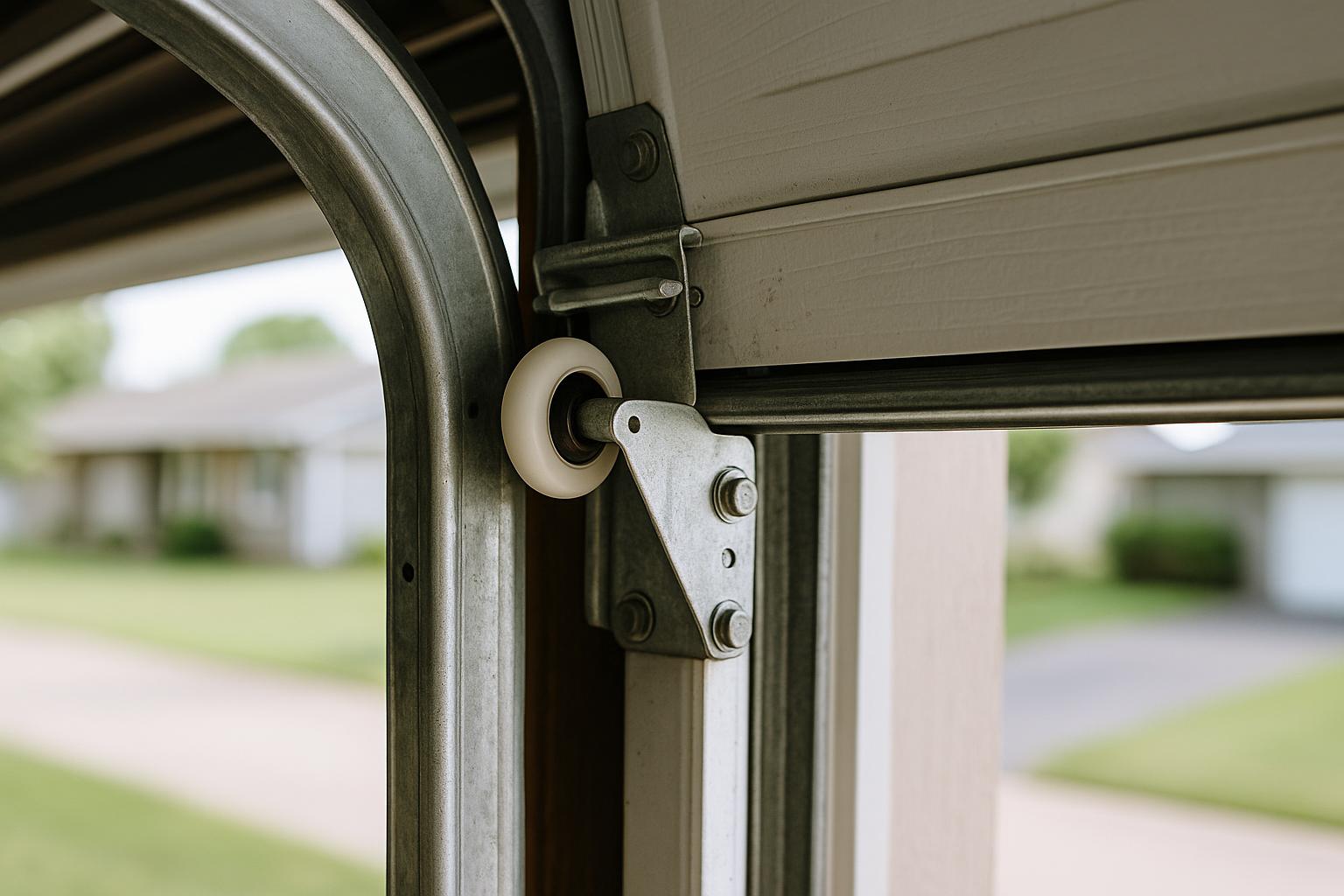
- Worn-out rollers. If your garage door uses steel rollers, they tend to get noisy as they age. Nylon rollers are significantly quieter and more durable. Upgrading to nylon rollers is a relatively affordable improvement that can make a dramatic difference in how your door sounds and operates.
If lubrication doesn't quiet things down, it's a good idea to have a technician inspect the rollers and other hardware for wear.
Grinding or Scraping Noises
A grinding sound often indicates that something is rubbing where it shouldn't be. The most common culprits include:
- Misaligned tracks. Your garage door travels along metal tracks on either side. If those tracks become bent, shifted, or misaligned, the door can scrape against them as it moves. This not only creates an unpleasant noise but also puts extra strain on the opener and other components.
- Debris in the tracks. Small rocks, leaves, dirt, and even insect nests can accumulate in the tracks over time. This is especially common here in Oklahoma, where wind and storms can blow debris into your garage. A visual inspection and cleaning of the tracks can sometimes resolve the issue quickly.
- Worn bearings. The torsion spring system above your door uses bearings that can wear out over time. When they do, you'll hear a grinding noise each time the door operates. Bearing replacement should always be handled by a professional due to the high tension involved in the spring system.
Rattling or Vibrating Sounds
If your garage door sounds like it's shaking apart every time it moves, the problem is usually related to loose hardware. The constant motion of opening and closing — most garage doors cycle over a thousand times per year — gradually loosens nuts, bolts, and screws throughout the system.
Here's what to check:
- Hinges and brackets. Grab a socket wrench and tighten any visibly loose bolts on the hinges, roller brackets, and track supports. Be careful not to overtighten, as this can strip the holes or warp the hardware.
- The opener chain or belt. If you have a chain-drive opener, a loose chain can slap and rattle during operation. Adjusting the chain tension according to your opener's manual can help. Belt-drive openers are inherently quieter, so if noise is a major concern, a belt-drive upgrade is worth considering.
- The door panels themselves. On older garage doors, the panels can loosen from each other at the connecting points. If you notice gaps or movement between panels, it may be time for a professional assessment.
Banging or Popping Sounds
A loud bang or pop is harder to ignore — and for good reason. These sounds can indicate more serious issues:
- Torsion spring problems. A single loud bang, especially when the door isn't in use, can mean a spring has broken. This is a serious issue that requires immediate professional repair. A broken spring makes the door extremely heavy and potentially dangerous to operate manually.
- Panel or section issues. If you hear popping or banging during operation, a panel may be warped or damaged, causing it to flex and snap as it moves through the tracks. This is more common after severe weather or accidental impact.
- Opener mounting issues. If the garage door opener unit itself is vibrating against the ceiling or its mounting bracket, it can create a rhythmic banging sound. Checking and tightening the mounting hardware, or adding vibration-dampening pads, can help.
When Noise Means It's Time for Maintenance
Many of the issues above can be prevented with regular garage door maintenance. We recommend that Norman homeowners schedule a professional tune-up at least once a year. During a maintenance visit, a technician will:
- Lubricate all moving parts with the correct products
- Inspect and tighten all hardware
- Check track alignment and make adjustments
- Test the balance of the door
- Inspect springs, cables, and rollers for wear
- Test the safety reversal system on the opener
Think of it like an oil change for your car. Regular maintenance keeps everything running smoothly, extends the life of your garage door system, and catches small problems before they become big ones.
DIY vs. Professional Repair: Know the Line
Some noisy garage door fixes are safe for handy homeowners to tackle on their own. Lubricating moving parts, tightening loose bolts, and clearing debris from the tracks are all reasonable DIY tasks. However, there are certain repairs that should always be left to trained professionals:
- Spring replacement or adjustment — Torsion springs are under extreme tension and can cause serious injury if handled improperly.
- Track realignment — Improperly adjusted tracks can cause the door to come off the tracks entirely.
- Cable repair — Like springs, cables are under significant tension and require specialized tools and knowledge.
- Opener motor issues — Electrical components should be serviced by someone who understands the system to avoid damage or safety risks.
If you're ever unsure whether a repair is safe to do yourself, err on the side of caution and call a professional. It's not worth the risk.
Don't Ignore the Warning Signs
A noisy garage door is more than an inconvenience — it's a signal that something in the system needs attention. Whether it's a simple lubrication issue or a sign of a failing component, addressing the noise early can save you money, prevent a breakdown at the worst possible time, and keep your family safe.
At Norman Garage Door Works, we help homeowners throughout Norman, Moore, Noble, and the surrounding communities diagnose and fix noisy garage doors every day. Whether you need a quick tune-up or a more involved repair, our team is here to help with honest advice and reliable service.
If your garage door has been making sounds that concern you, don't wait for the problem to get worse. Give us a call and let's get your door running quietly and smoothly again.